
In 1950, Summerset is awash in neon signs and night rain. Detective Kelvin Foster and his daughter Selen enter a maze of cases that have been abandoned for more than a decade. They follow their tracks through damp alleys, smoky bars, and closed offices. No one wants to talk about the dead. The deeper you dig, the darker the city becomes. You walk through the crime scene, gathering every little detail, connecting them intuitively. Each neighborhood holds a secret. Each face hides a story. LumineNight keeps the pace of the story like a classic detective film. The soundtrack is evocative, then suddenly intense. Light and darkness are in constant dialogue. Kelvin and Selen’s steps become heavier as the truth begins to emerge.
Active investigation, leading the case
LumineNight is an investigation in its own right. You survey the scene yourself, take notes of clues, and compare them with testimony. The game encourages careful observation and asking the right questions. You choose your route, the order of locations, and the people you meet. This keeps the pace of the game fluid. As the city unfolds, you approach locked rooms, dusty archives, and even backyards filled with machine noise. There are clues to follow in each place. And the narrative system keeps the necessary silence for you to think. There are no shortcuts to the truth. You untangle each knot, each relationship, and then reconstruct the chain of events. The goal is not just to find the culprit. You also have to understand why everything went off track so many years ago.
Decoding and sneaking in the dark
Selen is a code-breaking genius. You play as her to crack codes, read symbols, and connect logical chains. The puzzles increase in complexity, but always fair. Clues are in the landscape, signs, light patterns, or symmetry patterns. At the same time, Kelvin quietly infiltrates secure areas. You turn off cameras, unlock locks, avoid guards, and sneak through side entrances. The stealthy pace is tense but concise. Mistakes will make the lead go cold, so you need to stay calm. Moreover, each success opens a new layer of information. You match the decoding results with the evidence collected during the break-in. The two gameplay branches hug each other. The whole team moves forward like a well-oiled investigative machine. From there, the picture of motive, time and tools of the crime gradually emerges under the streetlights.
Sharp interrogation, deductive reasoning
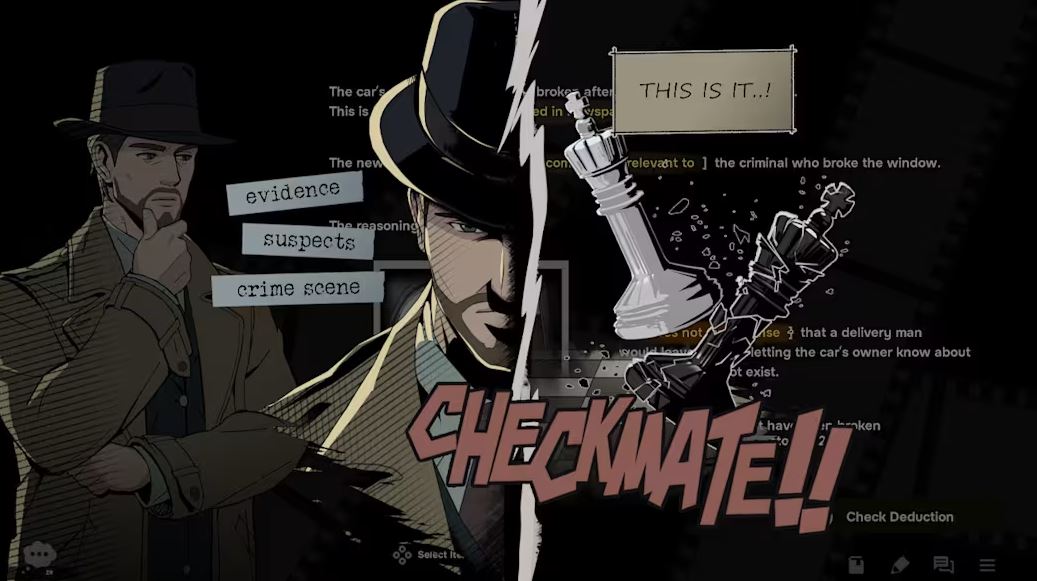
When facing a suspect, words can easily slip into lies. You compare the testimony with the crime scene photos and collected diaries. Where there are inconsistencies, you push them there. Short, precise questions will pierce the wall of fallacies. Next, the deductive table opens. You pull out the evidence cards, connect the relationships, establish the timeline. The fragments fit together into a complete story. If any piece is missing, you go back to the street to find. Thanks to that, the rhythm of the investigation always moves forward. Finally, you close the conclusion. The killer is revealed, but the motive is the real stab. LumineNight forces you to look into the cracks of a seemingly elegant city. The truth is not pretty. But it frees forgotten souls.
Closed Conclusion
LumineNight is a classic detective journey, modern and tight. You investigate, decipher, infiltrate and interrogate with an active gameplay rhythm. The city of Summerset is both charming and sinister. Kelvin and Selen do more than hunt the killer. They pull the truth out of the darkness after a decade of silence. If you love layered cases, fair puzzles and the “a-ha” feeling when the puzzle is closed, get ready. The night always speaks the truth to those who dare to listen. And you are the one who writes the final line in the case file.
Looking for more games? Browse our collection of Nintendo Switch ROMs and discover more titles available for download.